How to Talk to Your Partner About Clutter (Without Starting a Fight)
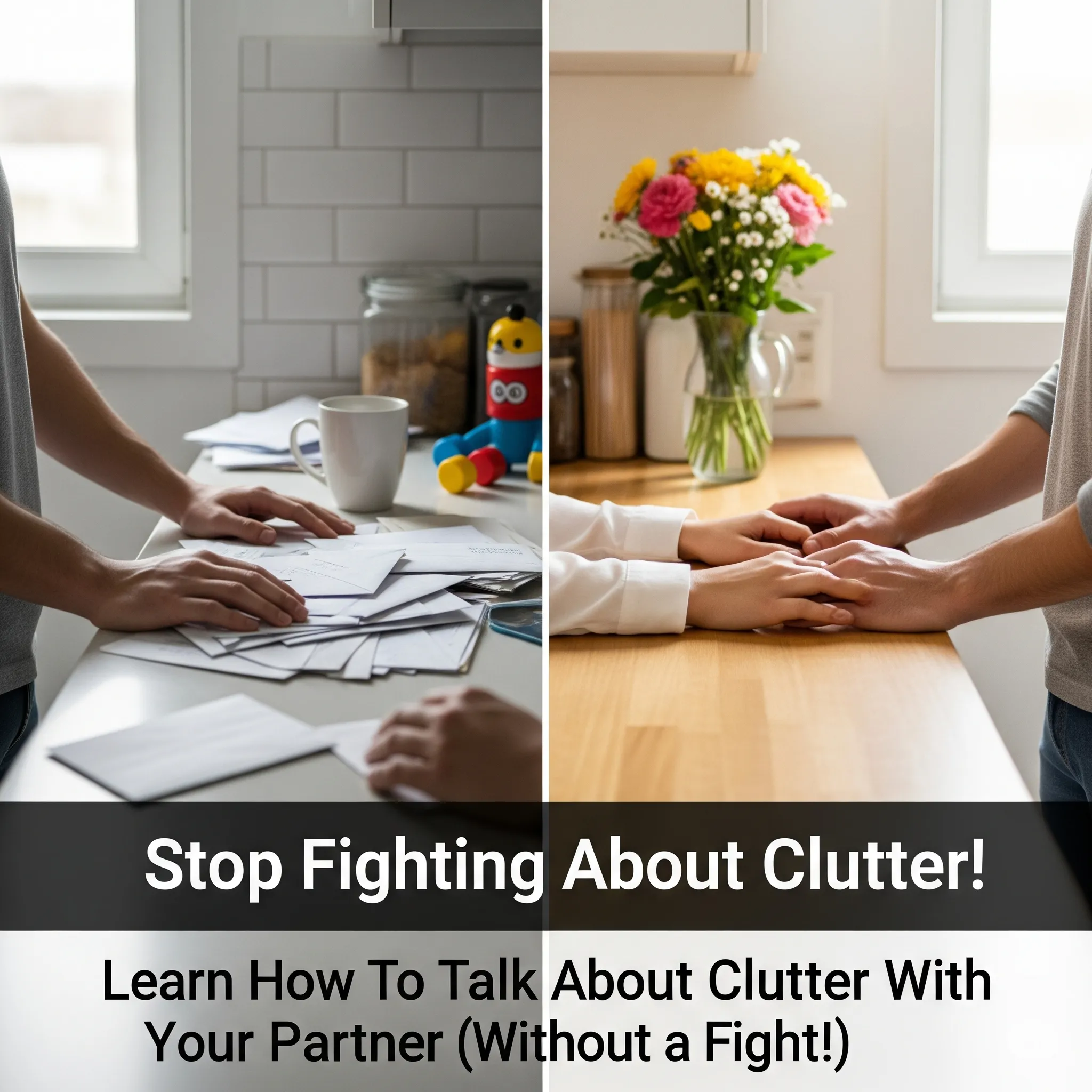
Is clutter causing tension in your home? You’re not alone, mama. It’s incredibly common for partners to have different ideas about organization, and figuring out how to talk about clutter with your partner can feel like walking on eggshells.
But what if you could discuss it without it spiraling into a full-blown argument? This article is your friendly guide to fostering teamwork, understanding each other’s perspectives, and creating a more peaceful, organized home together. Let’s ditch the stress and start building a clutter-free haven as a united front!

The Silent Clutter Conflict: Why It Matters
Ever feel like your home’s clutter is a silent third party in your relationship, subtly chipping away at your peace? It’s a common story: one partner sees a haven, the other sees a heap. This isn’t just about messy piles; it’s about comfort, control, and feeling heard in your shared space.
When home organization communication breaks down, it can lead to quiet resentment or even big arguments about things that seem small. But a cluttered home often means a cluttered mind, affecting your mental wellness and even your relationship goals.
Learning to talk about this isn’t just about tidying up; it’s about strengthening your bond and creating a truly peaceful environment where everyone feels respected and understood.
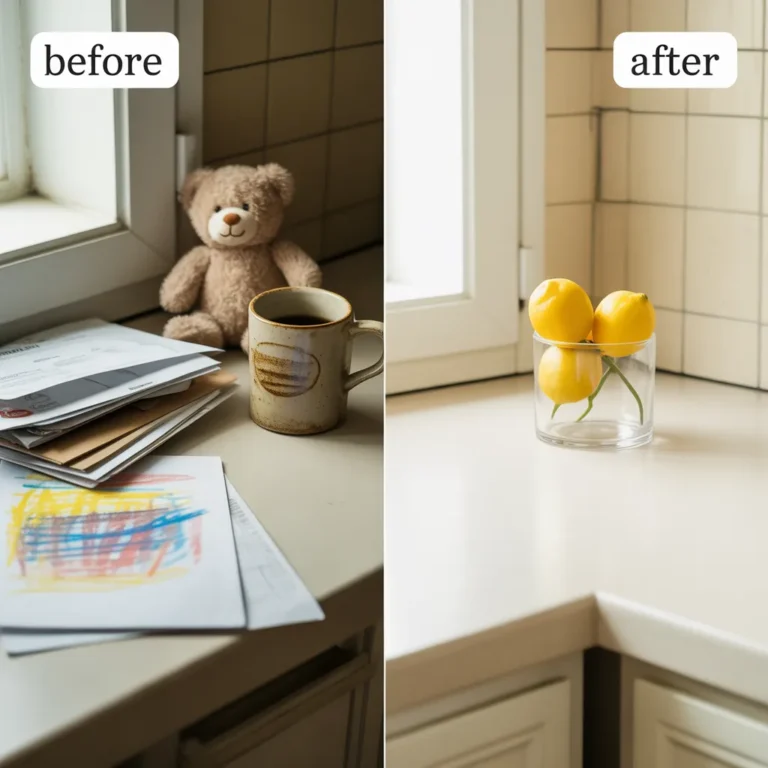
Start by picking a single, small “clutter hotspot” that bothers only you and organize it yourself without comment. This demonstrates your commitment to progress without demanding immediate change from your partner, setting a positive tone for future discussions about decluttering together.
This small act of minimalist living in one area can show the benefits without confrontation, making the idea of organizing as a couple seem less difficult.
Setting the Stage for Success: Choose Your Moment Wisely
Ready to finally tackle the clutter conversation? The secret isn’t just what you say, but when and how you say it. Imagine trying to talk about something important when your partner is stressed, tired, or distracted. It’s a recipe for disaster!
A successful discussion starts with finding the right moment – a time when both of you are relaxed, receptive, and not in the middle of a chaotic moment. This smart approach is key to achieving true conflict resolution and working towards shared relationship goals.
Thinking about creating a peaceful home means more than just clearing physical space; it’s also about clearing emotional space for understanding.
Before bringing up clutter, observe your partner for a day or two. Notice when they seem most relaxed and open – maybe after a quiet dinner, during a weekend morning coffee, or on a calm evening walk.
Pick one of these moments and simply say, “Hey, I’ve been thinking about our home and how we can make it even more comfortable for both of us. Would you be open to chatting about it sometime soon, maybe [suggest a specific, non-stressful time like ‘Saturday morning over coffee’]?” This low-pressure invitation sets a collaborative tone for organizing as a couple.
Framing the Conversation: “I Feel” vs. “You Always”
Ever notice how quickly “You always leave your stuff out!” can turn into a heated argument? It’s tough when you feel unheard. But what if you could shift from pointing fingers to truly connecting, even when talking about something as tricky as clutter?
The secret lies in focusing on your feelings and needs, rather than what your partner is or isn’t doing. This simple switch in communication skills can change everything. It shows you’re not blaming, but asking for partnership, which is vital for strong marriage and relationship goals.
Remember, your partner might not see clutter the same way you do; their “messy” might be your “organized chaos,” and vice versa. It’s about finding common ground.
When you’re ready to talk, start with how clutter makes you feel or impacts you, rather than accusing.
For example, instead of, “You never put anything away!”, try: “I feel really overwhelmed when the living room has so much stuff, and it makes it hard for me to relax.” Or, “I find myself spending a lot of time searching for things when items aren’t put back, and I’m hoping we can find a system that helps us both.”
This approach opens the door for your partner to understand your perspective and engage in decluttering together as a team.

Compromise and Collaboration: Building Your Organized Dream Team
You’ve opened the conversation and shared your feelings – now what? This isn’t about one person dictating the rules; it’s about forming an unbeatable team with your partner to tackle the clutter together!
Think of it as creating a personalized home organization game plan that works for both of you. This stage is all about understanding that while you might dream of a minimalist haven, your partner might need a “landing strip” for their keys or a designated spot for their gadgets.
It’s about finding the middle ground where both of your needs are respected, making decluttering together a shared victory, not a chore. True teamwork means recognizing different styles and finding solutions that bring peace to everyone.
Identify one small area that impacts both of you – perhaps the entryway table, the shared office desk, or a small section of the living room. Instead of tackling it yourself, invite your partner to brainstorm solutions together.
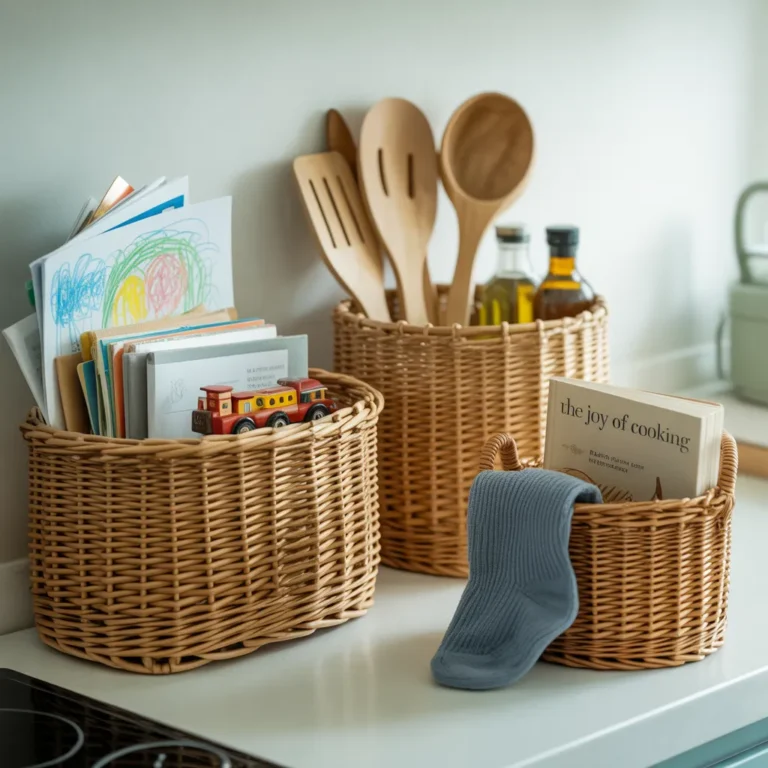
Say, “Could we spend 15 minutes this weekend finding a ‘home’ for the shoes by the front door? I think it would make mornings so much smoother for both of us.” Or, “What if we created a specific basket for all the mail that comes in? We can sort it once a week together.” This low-stakes, collaborative approach makes organizing as a couple feel achievable and less like a burden.
Patience, Progress, and Celebrating Small Wins
So, you’ve talked, you’ve planned, and you’ve even tackled a small clutter hot spot together. Amazing! But here’s the honest truth: achieving a truly organized home with your partner isn’t a one-and-done deal.
It’s an ongoing journey, like any strong marriage. There will be days when clutter creeps back, and that’s perfectly normal! The key is patience, focusing on progress over perfection, and recognizing that every tiny step forward is a win for both of you.
This long-term approach helps reduce stress management and promotes a sense of shared accomplishment, reinforcing your relationship goals. Remember, a truly calm home comes from consistent effort, not just one big clean-out.
Make it a point to regularly acknowledge small improvements with your partner. When you notice an area staying tidier, or your partner puts something away without being asked, gently point it out with appreciation.
Say, “It makes such a difference when [item] is put away! Thank you for helping our entryway feel so much calmer.” Or, after a shared decluttering session, “Wow, look at how much clearer this space is! I love working on this with you.”
Consider a quick, fun 10-minute tidy-up challenge once a week where you both blast music and put things away, making decluttering together feel lighter and more like teamwork.
When to Call in Reinforcements: Getting Extra Support
You’ve tried all the communication tricks, practiced patience, and celebrated tiny wins, but sometimes, clutter can feel like an unbeatable foe. What if the discussions still lead to frustration, or the piles just don’t budge?
It’s okay! Even the strongest marriage needs a little help sometimes, and the same goes for your home organization journey. If clutter is still a major source of conflict resolution and stress, it might be time to bring in an objective third party.
This isn’t a sign of failure; it’s a smart step towards a happier, more peaceful home and stronger relationship goals.
If you feel stuck, consider two types of support. First, for hands-on help with how to organize, look for local professional organizers who can offer practical organizing tips and decluttering strategies.
Many offer free consultations. Second, if the clutter is truly a symptom of ongoing communication issues or deeper relationship friction, consider exploring couples counseling. Even a few sessions can provide tools for healthier communication skills and teamwork.
A low-stakes way to start could be researching local resources online and sharing some options with your partner, asking, “I saw this, and it made me think it could help us both. What do you think?”
The Organized Payoff: More Than Just a Tidy Home
Imagine a home where laughter replaces frustration, and shared spaces feel truly peaceful, not packed with stress. That’s the incredible payoff when you learn how to talk about clutter with your partner effectively.
It’s not just about neat shelves or clear countertops; it’s about building a stronger marriage and achieving deeper relationship goals as a united front. When you work through these challenges together, you create a home that feels like a true sanctuary, benefiting everyone’s mental wellness and reducing daily stress management.
This shared journey of decluttering together strengthens your bond, proving that teamwork truly makes the dream work.
Take a moment to visualize your ideal organized space – not just how it looks, but how it feels. What does a calmer home mean for your family? A more relaxed evening routine? More space for playtime?
Share this vision with your partner, focusing on the positive feelings and shared experiences it will bring. Then, commit to one tiny, shared habit that supports this vision – like a 5-minute evening “power tidy” together before bed, or a weekly “reset” of a common area, making organizing as a couple a consistent and rewarding part of your routine.

Conclusion
Talking to your partner about clutter doesn’t have to be a source of stress; it can be a pathway to a stronger connection and a more peaceful home. By choosing the right moment, framing your feelings with “I” statements, and embracing teamwork and compromise, you can transform conflict into collaboration.
Remember, progress, not perfection, is the goal. Every small step taken together to declutter with your partner brings you closer to the calm, organized sanctuary you both deserve. You’ve got this, mama, one conversation and one clear space at a time!